

Introduction
There are some places in Pakistan that people remember, not just because they are on a map. Because they are in people’s hearts. Chakwal is one of those places.
It is located in the Potohar Plateau in Punjab. This city is quiet and confident. The people of Chakwal have worked hard on the land for centuries. They have protected the country.
Chakwal became a district headquarters in 1985. Its story started much earlier, around 1525, when a local chief named Chaudhry Chaku Khan founded it. But even that date does not tell the full truth. Chakwal is a place of beauty, strong loyalties, and quiet strength. You can feel this strength in every street.
Katas Raj Temples & Kallar Kahar: Travel Guide, History, Myths, Tips (2026)
Where is Chakwal Exactly?
It is the district capital in the part of Punjab that sits on the Potohar Plateau. This region is known for its hills, rocky terrain, and surprising green patches.
If you look at a map, you can find it 90 kilometers southeast of Islamabad. It is 100 kilometers from Rawalpindi and 270 kilometers from Lahore. The roads are good, which makes it easy to drive to Chakwal from these cities.
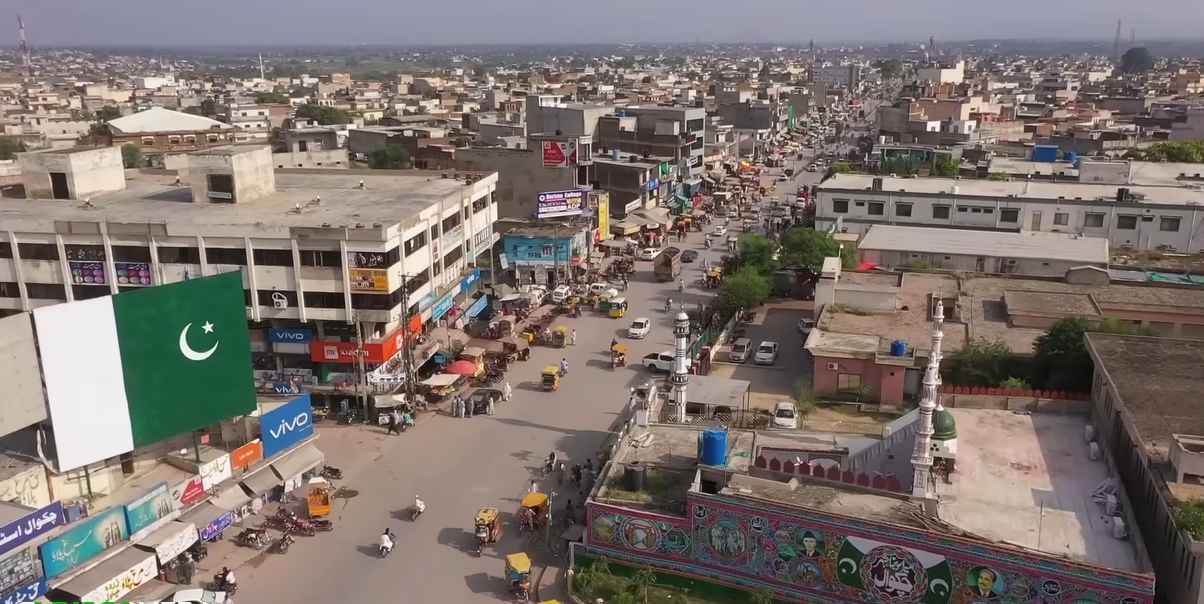
The Land of the Soan and the Soldiers
To understand Chakwal, you need to forget about the lush, farm-filled image of Punjab you might have in your head. This is not that Punjab. This is Potohar—a land of forests, rocky hills, and a sky that feels endless.
The soil here is sandy and hard, just like the people who farm it.
A long time ago, this area was a crossroads where different people and cultures met. Archaeologists have found stone tools and ancient fossils from the Soan Valley civilization, which is hundreds of thousands of years old. And if you believe the old stories, even Alexander the Great marched through here, fighting local kings along the way.
If you ask people in Pakistan what Chakwal is famous for today, they will give you one answer: The Military Valley.
When you walk through the city, you will hear stories of soldiers everywhere. Ask an elder about his sons, and he will pull out his phone to show you a picture of a young man in uniform. Chakwal sends more young men to the army than almost any other place in the country.
But here is the thing—this is not just a job. It is a family tradition. Children grow up hearing stories of brave soldiers. Teenagers dream of joining the armed forces. The result is a love for the country that is quiet, deep, and completely sincere.
The Sweet Scent of Rewari
Chakwal is not just about the army and rifles. The city has a much sweeter side.
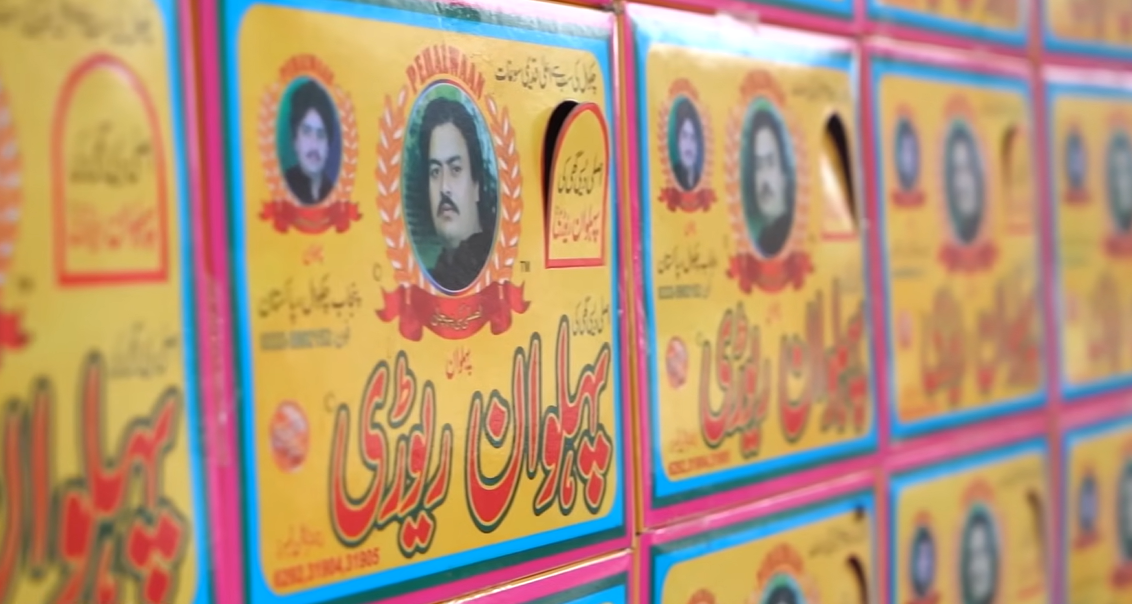
Drive through the main market on a cold winter evening, and roll down your window. You will smell something rich and warm—ghee, sesame seeds, and jaggery cooking together. That is the smell of Rewari.
Chakwal’s Rewari is famous all over Punjab. It is crunchy and sweet, perfect for cold weather. The narrow streets of the old city are filled with small shops that have been making Rewari for over a hundred years. The recipes are passed down from father to son. A wedding, an Eid, a family gathering—none of these are complete without Chakwal’s Rewari.
The Art of Khussa Shoes
Chakwal is also famous for its traditional shoes, called Khussas.
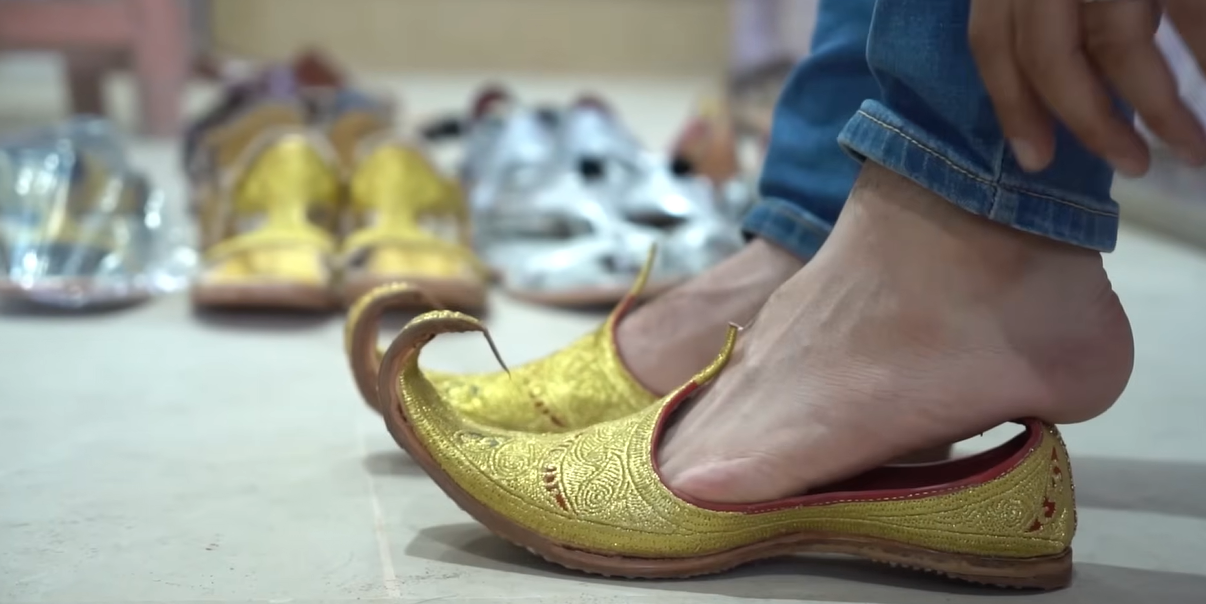
These are soft leather shoes, beautifully embroidered with gold and silver threads. Watching a cobbler make these shoes is like watching a slow, careful dance. One person cuts the leather. Another stitches the sole with waxed thread. A third embroiders the upper with shining threads.
These shoes are famous all over the country for their quality, comfort, and elegance. If you ever visit Chakwal, do not leave without buying a pair. You will wear them for years.
Where Stones Speak: The Ancient Heart of Chakwal
You cannot talk about Chakwal without mentioning Katas Raj.
This is a complex of ancient Hindu temples. It is one of the most sacred places in the entire subcontinent. The old story says that when Lord Shiva was carrying the body of his wife Sati, her earring fell here. And his tears of grief formed the pond that still sits in the middle of the complex.
For many centuries, this was a university and a pilgrimage site. People would travel for miles to pray and study here.
Today, the water of the pond is calm and dark. It reflects the old sandstone temples and rest houses that stand all around. The silence here is not empty. It is heavy—thick with centuries of faith, prayers, and history.
The Lakes and Landscapes
Chakwal is also blessed with natural beauty.
Kallar Kahar Lake is a stunning saltwater lake surrounded by green hills. Peacocks wander freely along the edges, showing off their feathers. This is where local families come on weekends to picnic. They rent little paddle boats, eat snacks from roadside stalls, and let their children run wild and laugh.
Overlooking the lake is Takht-e-Babri, a stone platform where the Mughal Emperor Babur is said to have addressed his army. If you stand there at sunset, with the wind in your face and the lake shining below, you can almost hear the echoes of his commands.
Then there is Uchhali Lake, a protected wetland that is a paradise for migratory birds. Birdwatchers and nature lovers visit this place to sit quietly and watch the birds arrive in waves.
The entire area sits near the famous Salt Range, with its unique rocks, minerals, and surprising biodiversity.
What is Chakwal Famous For? A Quick Summary
| Category | Highlights |
|---|---|
| Natural Beauty | Kallar Kahar Lake, Uchhali Lake, Salt Range landscapes |
| Historical Sites | Katas Raj Temples, Takht-e-Babri, ancient Soan Valley fossils |
| Military Pride | Known as the “Military Valley” – produces more soldiers than almost anywhere else |
| Local Products | Rewari (sesame sweet), Zari Khussas (embroidered leather shoes) |
| Agriculture | Wheat, groundnuts (peanuts), livestock, rain-fed farming |
The Rhythm of Daily Life
Life in Chakwal is different from life in big cities like Lahore or Rawalpindi. It is a city caught beautifully between village life and city life.
In the morning, you will see tractors puttering down the road right next to shiny new SUVs. The people of Chakwal are honest. They are blunt. They do not waste words. They are also incredibly hardworking and deeply hospitable. If you visit, someone will insist you sit down for tea, and then another cup, and then a meal.
Because Chakwal is a rain-fed area—what farmers call barani land—farming is always a gamble. The main crops are wheat, groundnuts (peanuts), and millet. Everything depends on the monsoon rains. If the rains come on time, there is celebration and relief. If they do not, there is patience and quiet prayer.
This uncertainty has made the people of Chakwal strong. They do not complain. They adapt.
Development and Change
In recent years, Chakwal has changed. The roads are better now. The mobile networks are strong. Young people who are not joining the army are becoming engineers, doctors, and teachers.
But even with all this change, the old charm of the city remains. The old houses with their wooden balconies still stand proudly in the older neighborhoods. The Friday market still buzzes with farmers selling goats, fresh vegetables, and sacks of grain. The old sweet makers still stir their pots of Rewari the same way their great-grandfathers did.
Why Chakwal Matters
Chakwal is not a tourist destination. You will not find fancy five-star hotels or blinking neon signs. But what you will find is substance—the kind that does not need to show off or shout for attention.
It is a city that has given a tremendous amount to Pakistan in terms of security and sacrifice. And yet, it remains humble. It is a city that will feed you the best Rewari of your life, slip a pair of handmade shoes onto your feet, and send you on your way with a warm handshake and a genuine goodbye.
Conclusion
To visit Chakwal is to understand the real heart of Punjab—not the glitzy, polished one, but the resilient, conservative, and deeply loyal one.
It is a district that blends natural beauty, historical depth, and cultural strength into something rare and valuable. Here, the past is not something you read about in books. It walks with you on the streets. It sits with you at the tea stall. And it stays with you long after you have left, driving back down the motorway toward the noisy cities, carrying a box of Rewari and a quiet respect for a place that does not need to shout to be remembered.
Distance from Chakwal to Major Cities
| City | Distance |
|---|---|
| Islamabad | About 90 kilometers southeast |
| Rawalpindi | About 100 kilometers |
| Lahore | About 270 kilometers |
Discussion