
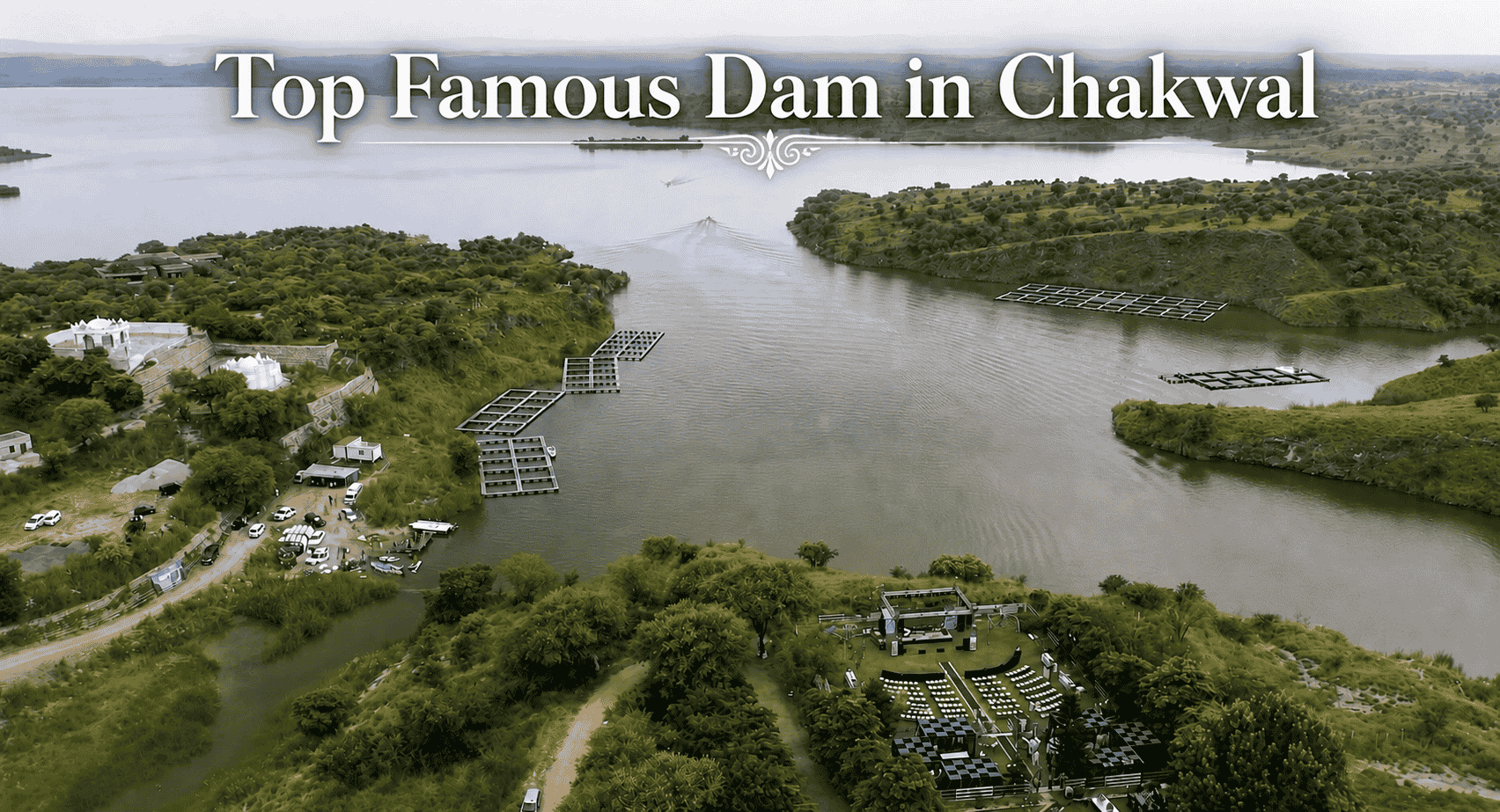
Chakwal is a district in the part of Punjab, Pakistan. It is located in an area called the Potohar Plateau. This land is rocky and hilly not flat like the rest of Punjab. For years the people of Chakwal faced a big problem and that problem was water.
The rain in Chakwal is very little it only comes for two or three months in a year. When it does rain the water flows down the hills quickly. The land cannot hold the water because it is rock so the water goes away. The crops dry up the animals get thirsty. The people of Chakwal suffer.
But then a solution came the government and local people started building dams. These Chakwal dams hold the rain water they save it for the days. Today these Chakwal dams have changed Chakwal they give water to drink they give water to grow food they give water to animals. They have given life to a dry land.
In this article I will tell you about all the dams of Chakwal. I will tell you how Chakwal dams there are I will tell you their names I will tell you why these Chakwal dams are important. I will also show you some tables so you can understand everything clearly.
How Many Dams Are in Chakwal?
This is a question but the answer is not simple. Different government departments count differently some count big dams some count small ones too some include Talagang district some do not. After looking at records from the Punjab Irrigation Department and the District Government here is the clear answer.
Table 1: dams in Chakwal by Category
| Category of dam | Number in Chakwal | Notes |
|---|---|---|
| Small dams (Government Built) | 17 to 19 | Fully functional concrete structures |
| Small dams including Talagang District | 23 | Talagang was part of Chakwal before |
| Mini dams and Farm Ponds | 100+ | Many built by farmers themselves |
| New dams Under Construction | 4 to 5 | Will be finished in 1 to 2 years |
| Planned dams for Future | 400 | Across the division |
So if someone asks you the number of big working dams in Chakwal you can say around 20. If they ask about all water storage structures the number is much higher the truth is that Chakwal now has than 150 water storage points if you count every small and big structure.. This number is growing every year as new dams are built.
The Major Dams of Chakwal
The major dams of Chakwal are the ones that the government built with concrete and cement they have gates and pipes they serve many villages at once. Some of these Chakwal dams are very old some are new. All of them are working hard to give water to the people of Chakwal.
Table 2: List of dams in Chakwal
| No. | Name of Dam | Year | Status |
|---|---|---|---|
| 1 | Dhok Talian Dam | 1975 | Working |
| 2 | Khokhar Zer Dam | 1978 | Working |
| 3 | Dharabi Dam | 1982 | Working |
| 4 | Walana Dam | 1985 | Working |
| 5 | Nikka Dam | 1987 | Working |
| 6 | Surlah Dam | 1990 | Working |
| 7 | Kot Raja Dam | 1992 | Working |
| 8 | Dhoke Qutab Din Dam | 1994 | Working |
| 9 | Khai Gurabh Dam | 1996 | Working |
| 10 | Pira Fatehal Dam | 1998 | Working |
| 11 | Bhagtal Dam | 2000 | Working |
| 12 | Dhurnal Dam | 2002 | Working |
| 13 | Mial Dam | 2004 | Working |
| 14 | Kanwal Dam | 2006 | Working |
| 15 | Chowkhandi Dam | 2008 | Working |
| 16 | Minwal Dam | 2010 | Working |
| 17 | Taman Dam | Under Construction | Will open soon |
These 17 dams are the backbone of water storage in Chakwal some records also include dams in Talagang region if you add those the list goes up to 23 names. These 17 are the most important and the most used Chakwal dams.
Dhok Talian Dam
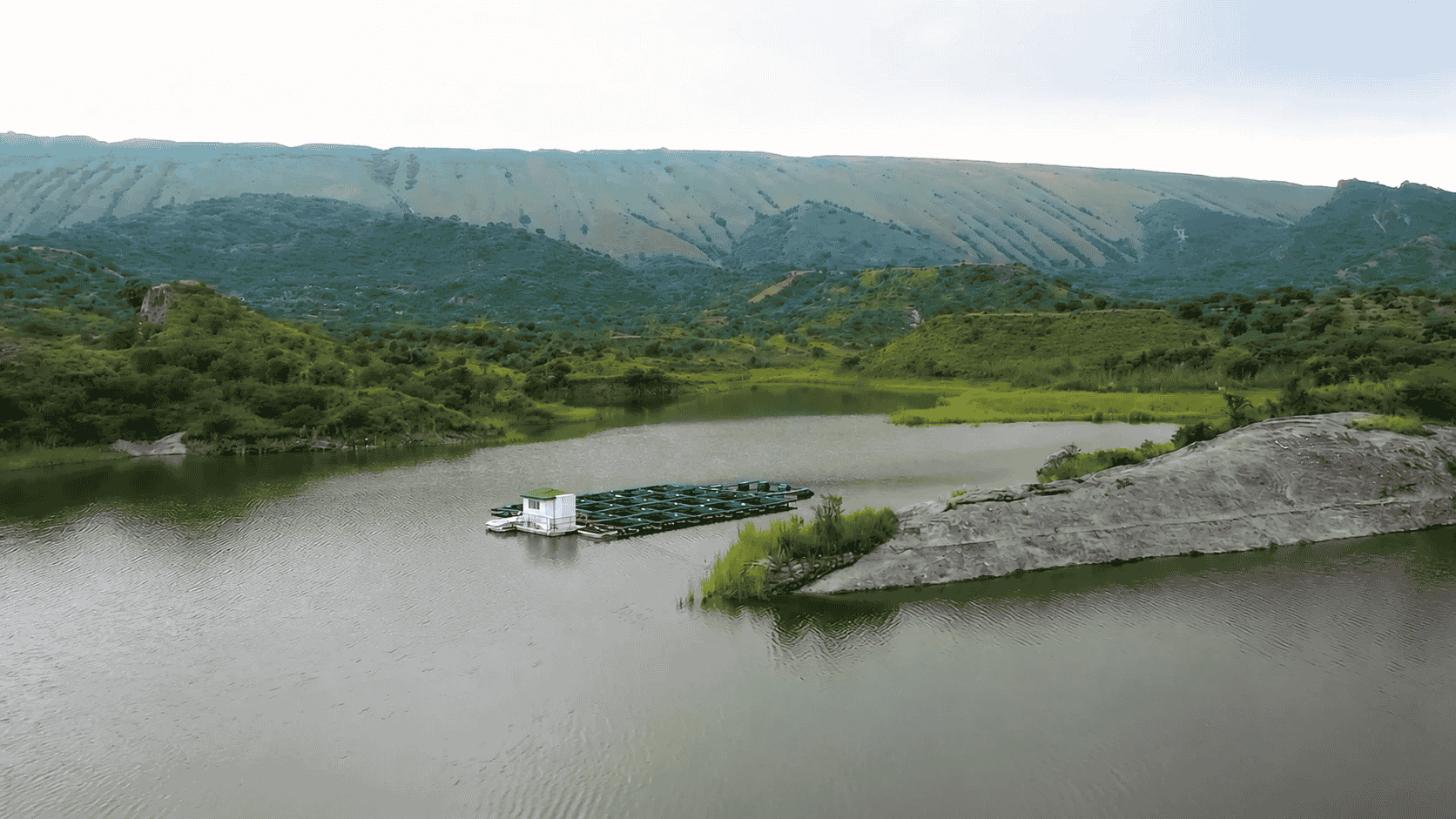
Dhok Talian Dam is the one it is the father of all dams in Chakwal they built it in 1975 this dam is huge when you stand on top of it you see water as far as your eyes can go blue water, clean water hills all around it looks like a painting. But this dam is not just for looking nice it does work it gives drinking water to the whole Chakwal city thousands of people turn on their taps at home water comes out that water comes from Dhok Talian Dam it also waters the fields farmers grow wheat, vegetables and grams without this dam those fields would be dry and empty.
Table 3: facts about Dhok Talian Dam
| Feature | Detail |
|---|---|
| Location | Near Dhok Talian Village, 15 km from Chakwal city |
| Year of Completion | 1975 |
| Main Purpose | Drinking water and irrigation |
| Land Irrigated | 4,500+ acres |
| Villages Served | 30+ villages |
| Also Known For | picnic spot |
On Fridays and Sundays families go there for picnic kids run around mothers make tea and pakoras the cool wind feels so good after the hot sun of Chakwal going to this dam feels like heaven this dam is truly the heart of Chakwals water system.
Khokhar Zer Dam
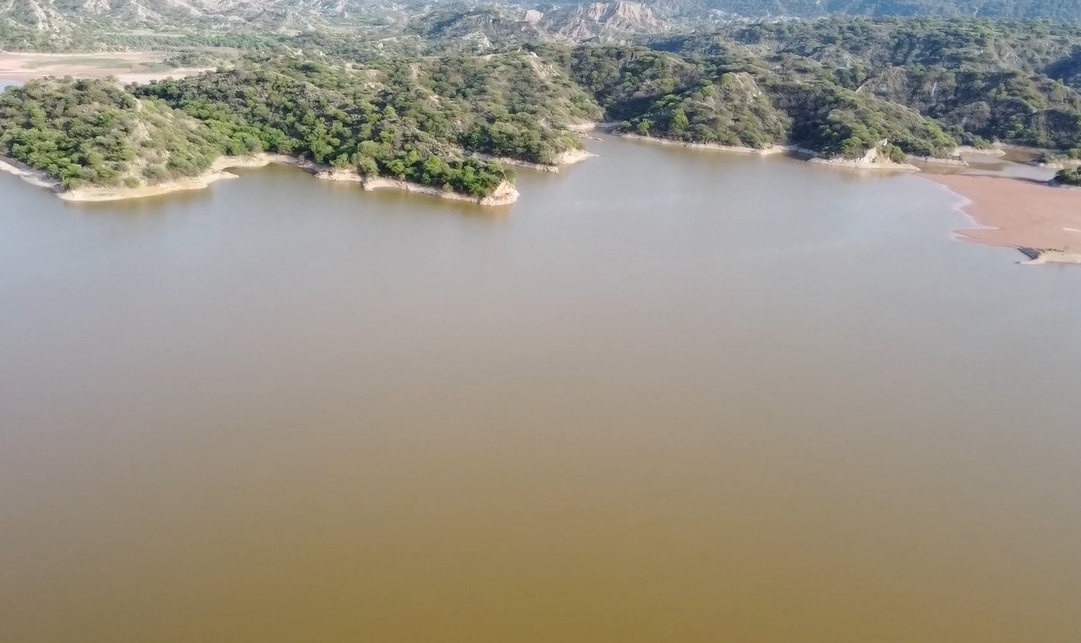
Khokhar Zer Dam is one of the oldest still working it was built in 1978 it is near Khokhar Zer village the dam is not very big. It is very important for local villages my friends father lives near this dam he says, “We used to cry for water now we never cry this dam saved our lives.”
Table 4: facts about Khokhar Zer Dam
| Feature | Detail |
|---|---|
| Location | Near Khokhar Zer Village |
| Year of Completion | 1978 |
| Main Purpose | Irrigation and livestock |
| Land Irrigated | 2,000+ acres |
| Villages Served | 15+ villages |
This dam helps grow vegetables like cauliflower, tomatoes and onions before the dam these people only grew crops like millet now they grow everything the water from this dam is sweet and clean animals love it crops love it the people of Chakwal love it.
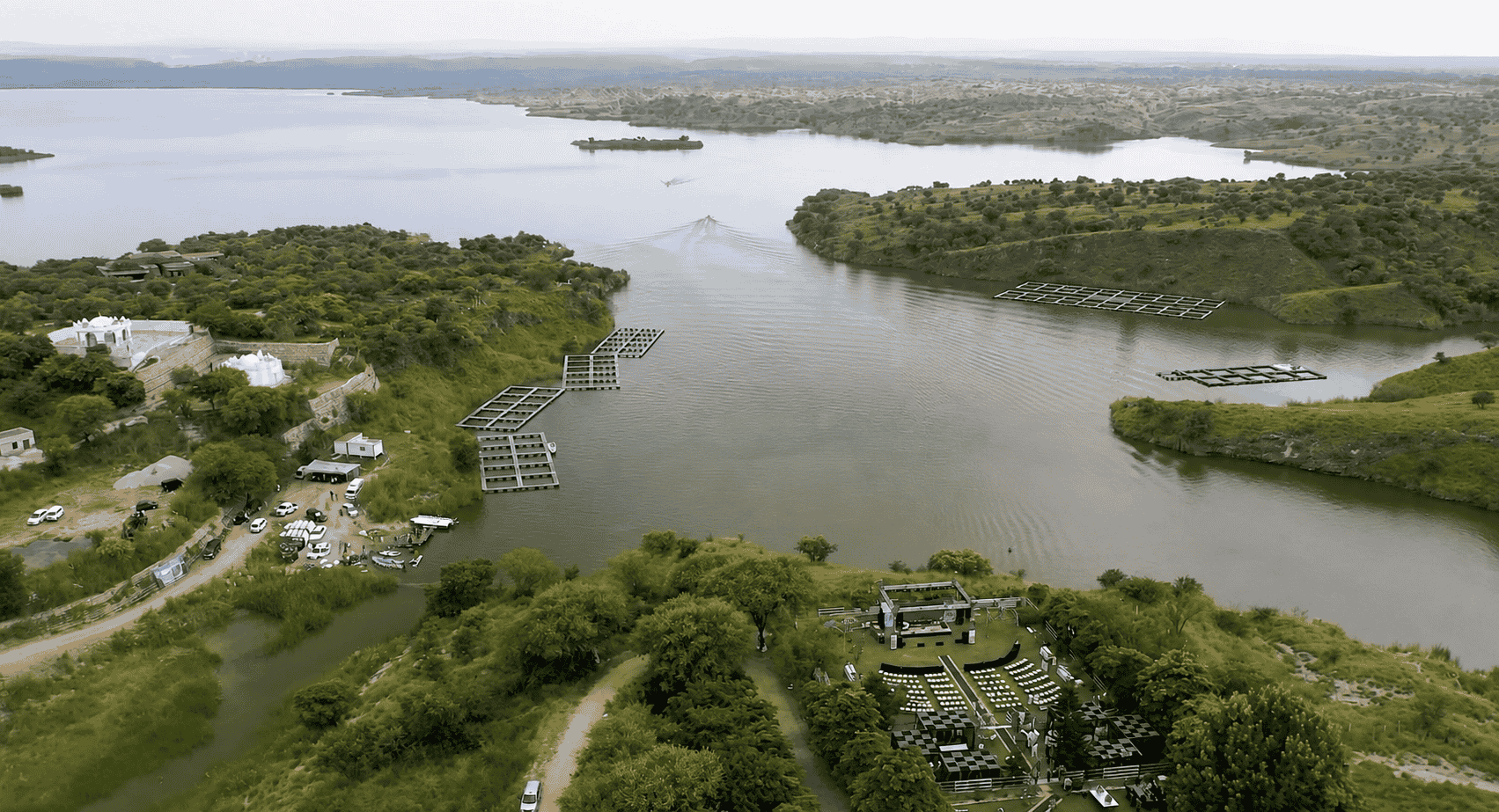
Dharabi Dam is an one, if you want to see beauty go to Dharabi Dam this dam is in Soon Valley Soon Valley is a very beautiful area the hills are rocky and grey the water is blue and green the clouds touch the hills tourists come here from Islamabad and Lahore they take photos they sit by the water they forget all their worries.
Table 5: facts about Dharabi Dam
| Feature | Detail |
|---|---|
| Location | Soon Valley, Chakwal District |
| Year of Completion | 1982 |
| Main Purpose | Irrigation and tourism |
| Land Irrigated | 1,800+ acres |
| Feature | Popular for family picnics and boating |
But local people of Chakwal love it for another reason the water from this dam goes to farms it goes to animals buffaloes drink from this water goats drink from this water the milk you get from Chakwal comes from animals that drink Dharabi Dam water so this dam is not just beautiful it is also very useful.
Walana Dam and Nikka Dam
Walana Dam and Nikka Dam are the helping twins these two dams work together they are close to each other they serve the group of villages they are smaller but very effective before these dams women walked 3 or 4 kilometers every morning to fetch water, heavy pots on their heads their backs hurt their feet burned on the hot ground now the water comes through pipes the women stay home they take care of their children they sew clothes they rest that is what a dam does it gives time back to people.
Table 6: Comparison of Walana and Nikka Dams
| Feature | Walana Dam | Nikka Dam |
|---|---|---|
| Year of Completion | 1985 | 1987 |
| Land Irrigated | 1,200 acres | 900 acres |
| Villages Served | 12 villages | 8 villages |
| Main Crops | Wheat, vegetables | Wheat, grams |
The Other Important Dams
The important dams are Surlah Dam, Kot Raja Dam, Dhoke Qutab Din Dam, Khai Gurabh Dam, Pira Fatehal Dam, Bhagtal Dam, Dhurnal Dam, Mial Dam, Kanwal Dam, Chowkhandi Dam and Minwal Dam. Each one of these Chakwal dams is a hero each one saves water each one gives life to dry land they may not be as famous as Dhok Talian but for the villages near them they are everything.
New Dams Being Built
New dams are being built now the government has not stopped the biggest project is Taman Dam it will cost over 250 crore rupees it will give drinking water to 0.3 million people that is 3 lakh people it will also water 20,000 acres of land and get this they are also building an amusement park there boating, swings, food stalls this will bring tourists tourists mean business business means jobs, jobs mean happy families.
Table 7: dams under construction
| Name of Dam | Expected Completion | Purpose |
|---|---|---|
| Taman Dam | 2025 | Drinking water for 0.3 million people irrigation for 20,000 acres |
| Papin Dam | 2025 | Irrigation |
| Khori Dam | 2026 | Drinking water |
| Sora Dam | 2026 | Irrigation and livestock |
These four dams will change the lives of more villages the workers are there day and night they are laying concrete they are building walls soon more villages will have water.
Mini Dams and Farm Ponds
Mini dams and farm ponds are also important they are small but they help a lot they are built by farmers themselves they store water for irrigation they help grow crops they give water to animals they are a help, to the people of Chakwal.
Big dams are good.. Small dams are also very useful. The government calls them dams. Farmers call them farm ponds. These are water storage places. A farmer builds a wall on his land. Rain water collects behind it. Then he uses that water for his crops. This is a smart idea. You do not need to wait for the government to build a dam. You can build your small dam on your own land.
Table 8: Mini Dams and Farm Ponds
| Type | Number Built So Far | Number Planned |
|---|---|---|
| Government Mini Dams | 50+ | 200 |
| Private Farm Ponds | 100+ | 400 (with government subsidy) |
The government is giving a 70 percent subsidy for dams. This means if a mini dam costs 1 million rupees the government pays 700,000 rupees. The farmer only pays 300,000 rupees. This is a good scheme. Many farmers are applying for it. The goal is to build 400 mini dams in the next five years. Mini dams are very useful for farmers.
A True Story – The Farmer Who Built His Own Dam
Now let me tell you a story. This story will make you feel proud. It shows what one hardworking man can do. Mini dams can change lives.
There is a village called Bukhari Kalan. It is 30 kilometers from Chakwal city. A farmer named Chaudhry Irfan lived there. He had some land.. The land was dry. Nothing grew. Every year he watched the rain come. He watched the water flow down the hills.. Then he watched it go away. Wasted. Gone. He wanted to build a dam on his land.
He said to himself “Why can’t I stop this water? Why can’t I keep it on my land?” So he took a loan. A big loan. 4 Crore rupees. That is a lot of money. His family said he was crazy. His neighbors laughed at him.. He did not stop. He brought machines. He brought trucks of dirt and rocks. He built a wall on his land. A strong wall. A wall to hold water. This wall was like a dam.
It took him six years. Six years of work. Six years of no sleep. Six years of people laughing at him.. He did not give up. Then the rain came. The water filled behind his wall.. Just like that he had his own private dam. A 35 acre lake. On his land. This private dam was like a dam.
Today he grows crops on 200 acres. Green fields. Healthy crops. Happy animals. He is not crazy anymore. He is a hero. Other farmers come to him to learn. They want to build their mini dams. Mini dams are very useful for farmers.
Table 9: Changes After Building the Private Dam
| Before the Dam | After the Dam |
|---|---|
| Dry land | Green fields |
| No crops | Wheat and vegetables every year |
| No water for animals | Plenty of water for 50+ buffaloes |
| crop in good rain years | Two crops every year |
| Farmer was in debt | Farmer is now successful |
This is the spirit of Chakwal. The people do not wait for help. They help themselves. They build their mini dams.
Why Are Mini Dams So Important?
Now let me explain why mini dams matter much. I will give you reasons. Mini dams are very useful for people.
First drinking water. The underground water in Chakwal is often salty. You cannot drink it. It hurts your stomach. It hurts your teeth. Mini dam water is rain water. It is good for drinking and cooking. Millions of people in Chakwal drink mini dam water every day.
Second, farming. Before dams farmers could only grow crops when it rained. If the rain was late the seeds would rot. If the rain did not come nothing would grow. Now they can grow two crops every year. Wheat in winter. Vegetables in summer. Mini dams have turned farmers into successful farmers.
Third livestock. Every farmer in Chakwal has animals. Buffaloes. Cows. Goats. Sheep. A buffalo drinks 50 to 70 liters of water every day. If you have ten buffaloes that is 700 liters of water every day. Where will you get that? From the dam. Without dams the animals would die.. Without animals the farmer has no income.
Fourth jobs. Mini dams create jobs. When there is water farmers need workers to plant crops. They need workers to harvest crops. More crops mean work. More work means money. More money means lives.
Fifth, tourism. Beautiful mini dams like Dharabi bring tourists. Tourists spend money. They buy food. They buy drinks. They pay for parking. Local shops and hotels earn. This money stays in Chakwal. It helps the economy.
Sixth, stopping floods. When heavy rain comes the water rushes down the hills. It can flood villages. It can wash away homes. Mini dams hold that water. They stop the floods. They keep the people safe.
Seventh, refilling wells. The water from dams slowly goes into the ground. This refills the wells. It makes the underground water better. Even the salty water becomes less salty over time. Mini dams are very useful for people.
Table 10: Benefits of Mini Dams at a Glance
| Benefit | Explanation |
|---|---|
| Drinking Water | rain water, not salty |
| Farming | Two crops every year of one |
| Livestock | Water for millions of animals |
| Jobs | More work for farm laborers |
| Tourism | Visitors bring money to local shops |
| Stopping Floods | Mini dams hold dangerous rain water |
| Refilling Wells | Ground water becomes better |
Problems We Still Face
I do not want to lie to you. Everything is not perfect. We still have problems with dams. Let me tell you honestly what the problems are.
First old mini dams need repair. Some mini dams are 40 to 50 years old. They have cracks. They leak water. The government does not have money to fix all of them. So some mini dams are losing water every day through cracks.
Second silting. Over the years dirt and mud wash into the dams. They settle at the bottom. This makes the mini dam shallower. Less water fits inside. Cleaning a dam is very expensive. You have to drain all the water. Then you have to dig out the mud. Then you have to wait for rain to fill it again. So many mini dams are not cleaned.
Third low rainfall. Some years the rain does not come. Even the best mini dam cannot make rain. If the monsoon is weak the mini dams stay empty. Then we are in trouble again. Mini dams can only save water if there is water to save.
Fourth lack of money. The government has plans. They want to build 400 dams. They want to repair mini dams.. Money is always a problem. There are needs. Schools need money. Hospitals need money. Roads need money. Mini dams need money. The government has to choose.
Fifth land disputes. Sometimes farmers fight over who owns the land where a mini dam is built. One farmer says the land is his. Another farmer says it is his. These fights can stop a dam project for years. The courts have to decide.. Court cases take a very long time.
Table 11: Problems and Challenges
| Problem | Details |
|---|---|
| Old Mini Dams Need Repair | Cracks and leaks in 40 to 50 year mini dams |
| Silting | Dirt and mud fill the bottom reducing storage |
| Low Rainfall | Some years the rain does not come at all |
| Lack of Money | Government cannot fund all mini dam projects |
| Land Disputes | Farmers fight over mini dam land |
The government is trying to solve these problems with mini dams.. It takes time and money. We have to be patient.
The Future of Mini Dams in Chakwal
The future looks bright. Many new mini dams are planned. The government is serious, about solving the water problem and for all.
The dams of Chakwal are much more than just walls of concrete that hold water. They are the heart of Chakwal. The dams of Chakwal are the reason why a dry and barren plateau has become an hopeful place. Every time it rains in Chakwal the people of Chakwal do not get upset about the weather. They are happy. Because the people of Chakwal know that the rain will not go to waste. The rain will be caught by the dams of Chakwal. The rain will be saved by the dams of Chakwal. The dams of Chakwal will give life to the land.
I started talking about the land of Chakwal. Now I want to end with a picture. If you go to Chakwal today you will see fields that’re green. You will see buffaloes that’re healthy. You will see farmers of Chakwal smiling. You will see children of Chakwal playing. You will see women of Chakwal sitting in the shade and resting.
All of this is because of the dams of Chakwal. The idea of the dams of Chakwal is simple. Catch the rain. Save the water. Use the water when you need it. This simple idea has changed the lives of millions of people of Chakwal.
This is the miracle of the dams of Chakwal. This is the story of Chakwal and the dams of Chakwal.
Quick Reference: Total Dams at a Glance
Table 13: Final Summary
| Category | Total Number |
|---|---|
| Major Government Dams in Chakwal | 17 to 19 |
| Major Dams including Talagang | 23 |
| Mini Dams that the government built | 50+ |
| Private Farm Ponds | 100+ |
| New Dams Under Construction | 4 |
| Planned Mini Dams | 400 |
| Grand Total of all types of dams | 150+ and growing |
This information is based on records, from the Punjab Irrigation Department, the District Government of Chakwal and public news reports. The numbers may vary slightly as new dams are built and old records are updated.
Discussion